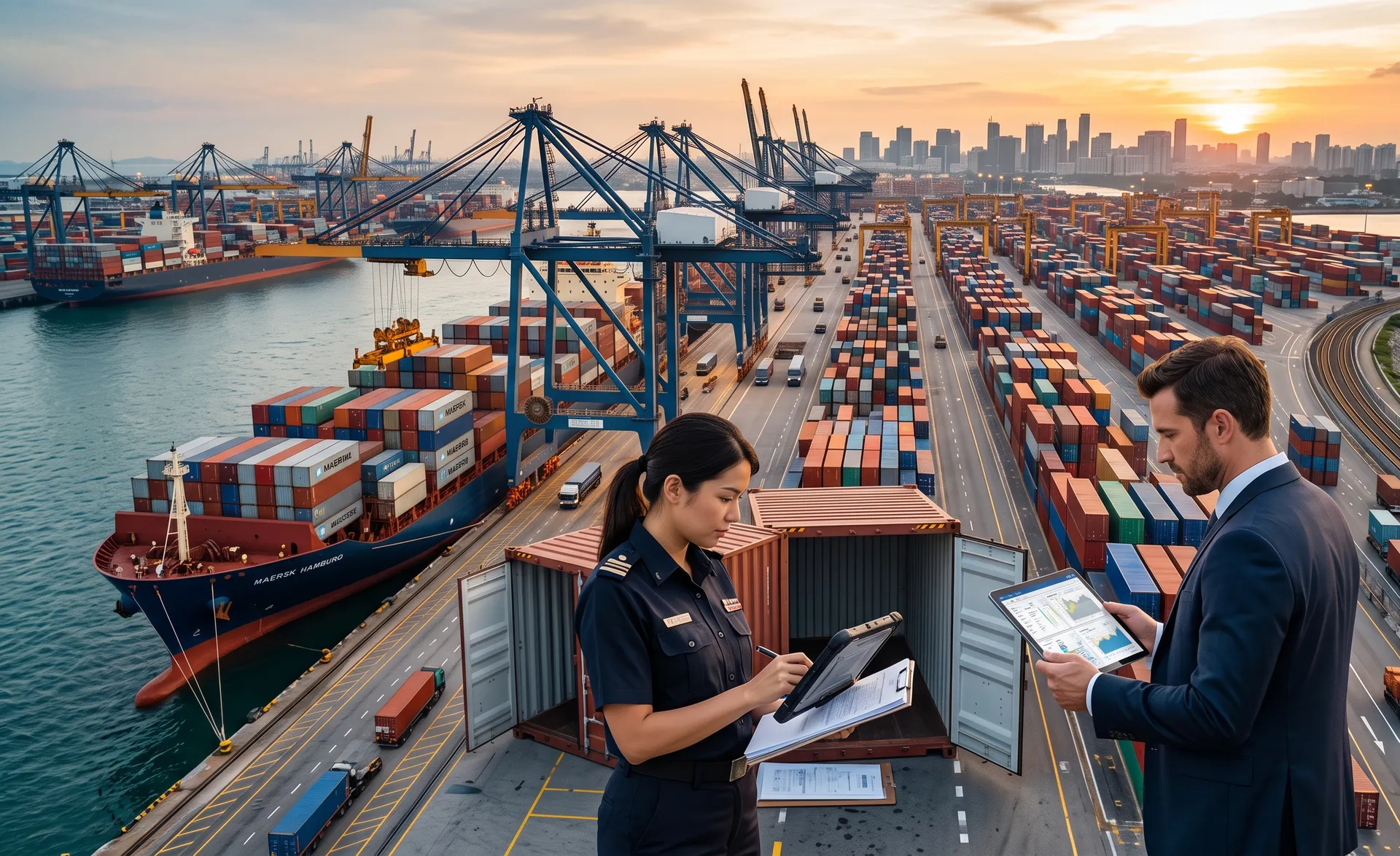
Tariffs, sanctions, and shifting trade rules have moved customs from a compliance back-office to a board-level risk. How to build resilience into your trade operations.
For most of the last few decades, trade liberalisation was the prevailing direction, and customs was treated as a back-office compliance function. That assumption no longer holds. Shifting tariffs, expanding sanctions regimes, and fast-changing trade rules have turned customs and global trade into a genuine source of strategic and financial risk — and, for the prepared, of competitive advantage.
This article sets out how organizations can build resilience into their trade operations.
Why trade risk is now a board issue
The cost of getting trade wrong has risen sharply on two fronts. Financially, tariff changes can move landed costs materially and quickly, reshaping the economics of a supply chain overnight. From a compliance perspective, the penalties for sanctions breaches and customs errors — financial, operational, and reputational — are severe. Both put trade firmly on the board agenda.
Know your classification and origin
The foundation of trade risk management is unglamorous but essential: accurate classification and origin determination.
- Tariff classification determines the duty rate; errors create both overpayment and exposure to penalties
- Rules of origin determine eligibility for preferential rates under trade agreements — and they are frequently misapplied
- Valuation rules determine the base on which duty is charged
Many organizations carry years of accumulated classification decisions that have never been reviewed. A structured review frequently uncovers both savings and risks that have been sitting unaddressed.
Build visibility across the chain
Trade risk cannot be managed without visibility. Organizations need to know, with confidence:
- What they import and export, under what classifications, from and to where
- Which trade agreements they could be using and are not
- Where sanctions and export-control exposure sits across customers, suppliers, and intermediaries
- How a tariff or rule change would flow through landed cost and margin
This visibility is a data and process challenge as much as a regulatory one, and it is the foundation on which everything else rests.
Scenario-plan the disruptions
Given the pace of change, static planning is insufficient. The organizations managing trade risk well run scenarios:
- What happens to landed cost and margin under plausible tariff changes on key lanes?
- Where are the single points of failure in the supply chain, and what are the alternatives?
- How quickly could sourcing or routing be shifted if a corridor were disrupted?
The aim is not to predict the future but to be ready to act quickly when it changes.
Turn compliance into advantage
Done well, trade management is not only about avoiding downside. Organizations that genuinely understand their trade position can:
- Capture preferential rates they were previously missing
- Optimise sourcing and routing with full visibility of the trade-cost implications
- Move faster than competitors when rules shift, because they already understand their exposure
Where to focus first
For most organizations the priorities are a classification and origin review to fix the foundations, end-to-end visibility of trade flows and exposure, and a scenario capability to respond to change. Those three, in that order, convert trade from an unmanaged risk into a controlled — and sometimes advantageous — part of the strategy.